Best Pressure Cleaning Strategies for Sandringham Homes
Keeping a Sandringham home clean involves more than removing visible dirt. Coastal exposure, shaded gardens, winter moisture and everyday traffic all affect outdoor surfaces. Salt deposits can accumulate on exposed exteriors, while algae and grime can make paths, steps and driveways slippery.
The best pressure cleaning strategy is not to use the highest pressure available. It is to match the cleaning method to the material, control wastewater and avoid damage to paint, mortar, roofing and landscaping. For homeowners https://ameblo.jp/archerrimr918/entry-12982530965.html across Melbourne Bayside, a careful combination of pressure washing, low-pressure house washing and surface-specific maintenance usually delivers the most reliable result.
Understand Sandringham’s Coastal Cleaning Challenges
Sandringham’s position beside Port Phillip Bay creates particular maintenance needs. Wind carries airborne salt onto buildings, especially in exposed locations. Salt can retain moisture and contribute to corrosion on vulnerable metal components. Gentle rinsing of suitable surfaces, in accordance with manufacturer guidance and current water-use rules, helps limit accumulation.
Shaded areas present a different problem. South-facing walls, garden paths beneath trees and paving beside dense vegetation can remain damp longer than exposed surfaces. These conditions encourage algae and other biological growth. Simply blasting away the visible layer may leave the underlying moisture problem unchanged.
Before organising pressure cleaning, identify why the surface becomes dirty. An overflowing gutter, leaking downpipe, blocked drain or irrigation system spraying a wall may need attention first. Cleaning is more effective when it forms part of a broader maintenance plan rather than repeatedly treating the same symptom.
Choose the Cleaning Method Before Choosing the Pressure
Pressure washing for sound, durable surfaces
Pressure washing can work well on sound concrete and some robust paving. However, suitability depends on the surface’s condition, finish and installation. Old concrete, weakened mortar joints and damaged pavers can deteriorate under an aggressive jet.
Use the lowest effective pressure, an appropriate fan nozzle and a consistent working distance. Test a small, inconspicuous area first and allow it to dry before assessing the result. Avoid narrow jets and aggressive rotary nozzles on uncertain surfaces: concentrated force can leave permanent grooves or visible cleaning marks.
Low-pressure cleaning for delicate exteriors
Low-pressure house washing, often called soft washing, relies on a suitable cleaning solution, controlled application and gentle rinsing. It is commonly more appropriate for painted weatherboards, many rendered finishes and other surfaces that may be damaged by high pressure.
Low pressure does not make every cleaning treatment safe. Product compatibility, dilution, contact time and runoff control still matter. Follow the surface manufacturer’s care instructions and the cleaning product label. Do not mix cleaning chemicals, particularly chlorine-based products with acids or ammonia.
Understand what power washing means
Some providers use “power washing” and “pressure washing” interchangeably. Technically, power washing often refers to pressure cleaning with heated water. Heat can help remove certain oily deposits, but it is not automatically better for residential surfaces and may damage sensitive coatings or materials. Ask the contractor which equipment and method they propose, rather than relying on the service name.
Prepare the Property Before Cleaning Starts
Good preparation protects the home and makes the cleaning process more efficient. Inspect the work area in daylight, noting damaged finishes, loose joints and places where water could enter the building.
- Move vehicles, outdoor furniture, doormats and portable electrical equipment out of the cleaning area.
- Close doors and windows, and check weather seals, vents and other potential water-entry points.
- Identify external power points, lighting, air-conditioning equipment and solar electrical components that require protection from spray.
- Sweep up leaves, soil and loose debris before introducing water.
- Locate stormwater pits, downpipes, garden beds and any route wastewater could take towards the street.
- Keep children and pets away, and prevent access to wet or chemically treated surfaces.
Do not pressure clean suspected asbestos-containing material. Older homes may contain asbestos cement in roofing, wall cladding, eaves or other components. High-pressure water can release hazardous fibres and spread contamination. If the material is uncertain, stop and seek advice from a qualified asbestos professional.
Driveway Cleaning: Match the Approach to the Surface
Concrete and exposed aggregate
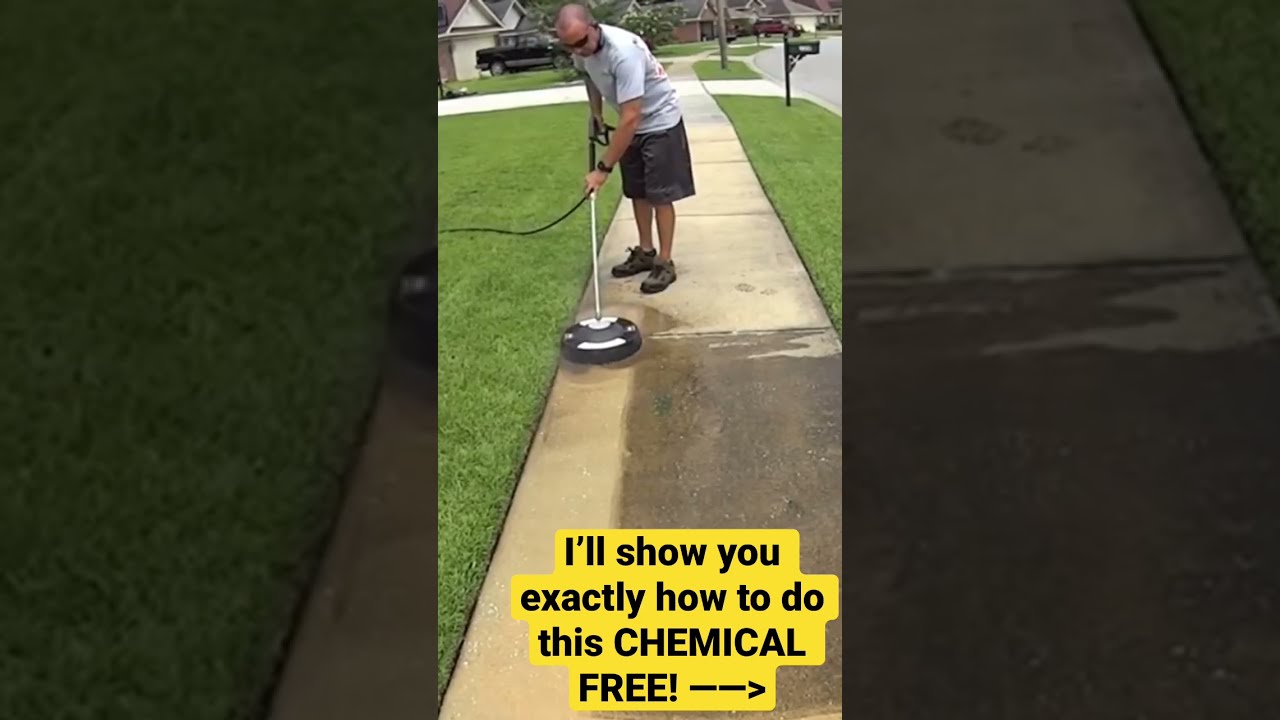
Driveway cleaning often produces a substantial visual improvement, but the equipment must suit the finish. A correctly selected surface cleaner can create a more even result than a hand-held wand because it helps maintain consistent nozzle movement and distance.
On exposed aggregate, excessive pressure can dislodge stones or damage the surrounding cement paste. On plain concrete, lingering in one spot can etch the surface. New concrete also needs adequate curing before cleaning; follow the installer’s guidance rather than assuming it is ready because it feels hard.
Oil stains usually need targeted treatment before rinsing. Use a cleaner approved for the driveway material and allow the labelled contact time. Older oil may have penetrated deeply, so complete removal is not always achievable without damaging the surface. Avoid promises that every stain will disappear.
Brick paving and jointed surfaces
Pressure washing can remove jointing sand from paved driveways and paths. Where the paving system requires it, joints may need replenishment with a compatible material after cleaning and drying. Polymer-modified jointing products require particular care and should be maintained according to their manufacturer’s instructions.
Check for loose pavers, subsidence and drainage problems before cleaning. A cleaner cannot repair an unstable base, and directing a powerful jet into open joints may worsen existing movement.
Sealed and decorative finishes
Stamped, coloured and sealed concrete require additional caution. Incompatible chemicals, hot water or excessive pressure can strip or cloud a coating. Identify the existing finish and test the proposed method before treating the full driveway. Resealing is not automatically necessary after every clean; it depends on the coating’s condition and maintenance requirements.
House Washing Without Forcing Water Inside
Successful house washing removes surface contamination without driving water behind cladding or damaging protective finishes. Directing a strong jet upwards beneath weatherboard laps, into vents or towards window seals increases the risk of water entry.
For painted weatherboards, inspect for flaking paint, soft timber and open joints first. Cleaning can reveal existing deterioration, but it should not become an uncontrolled paint-stripping exercise. Older paint may contain lead, so deteriorating coatings need appropriate assessment before work that could spread contaminated debris.
Rendered walls need similar care. Cracks, hollow areas and failing coatings should be assessed before washing. Use compatible products and gentle rinsing, avoiding prolonged saturation around openings.
Brickwork also varies. Hard modern bricks and sound mortar may tolerate cleaning differently from older, softer masonry. Aggressive pressure can erode mortar and damage brick faces. White crystalline deposits may be efflorescence rather than ordinary dirt; recurring deposits can indicate moisture movement that cleaning alone will not resolve.
Roof Cleaning Requires a Separate Safety Strategy
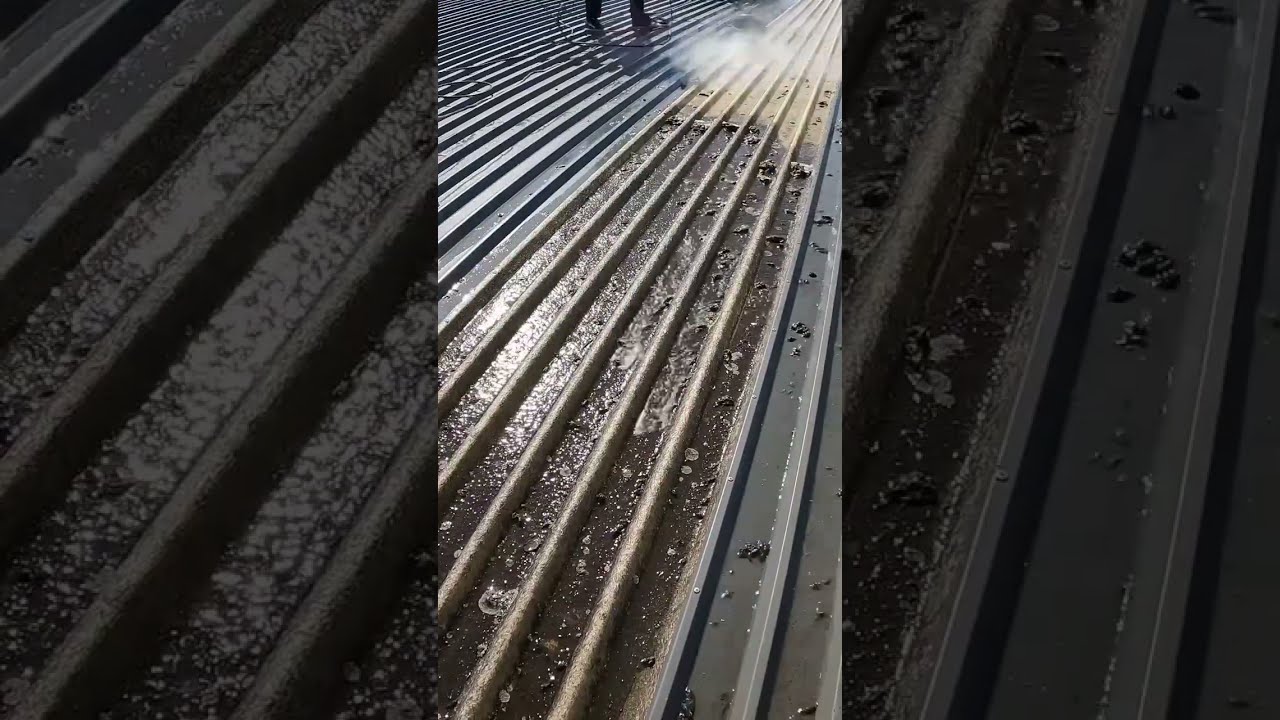
Roof cleaning should not be treated as driveway cleaning at height. Falls, fragile materials, electrical equipment and concealed defects create substantial risks. A professional needs appropriate access equipment and fall controls, not simply a ladder and a pressure washer.
High pressure can damage roof coatings, disturb tile bedding or pointing, and force water beneath roofing. Some roofing manufacturers prohibit particular cleaning methods. The correct approach depends on whether the roof is terracotta, concrete tile, coated metal or another material, as well as its age and condition.
Arrange an inspection where there are cracked tiles, corrosion, loose flashings or evidence of leaks. Moss and lichen treatments must suit the roofing material and may work gradually rather than producing an immediate result. Avoid scraping or spraying a fragile roof simply to achieve a uniform appearance.
If the home collects rainwater, plan how cleaning residues will be kept out of the tank. Downpipe diversion and reconnection must follow the treatment instructions and account for the tank’s use. Solar panels also require manufacturer-approved cleaning methods; a pressure jet should not be directed at panel edges, seals or electrical components.
Control Wastewater and Protect Port Phillip Bay
In Melbourne Bayside, wastewater management is a central part of responsible pressure cleaning. Stormwater drains generally carry runoff towards local waterways and the bay without sewage treatment. Wash water may contain detergent, oil, sediment, paint particles and biological debris even when it looks relatively clear.
As of 2026, Victoria’s general environmental duty requires people undertaking activities that may create pollution risks to minimise those risks so far as reasonably practicable. Do not assume that a biodegradable cleaner is safe to release into a stormwater drain. The removed contaminants also matter.
Depending on the job, suitable controls can include drain protection, temporary bunding, wet-vacuum recovery and collection for appropriate disposal. These measures need planning so they do not cause flooding or redirect contaminated water onto neighbouring land. Discharge to sewer may require permission and must not be assumed acceptable.
Check current guidance from EPA Victoria, Bayside City Council and South East Water before work begins. Water restrictions and permitted uses can change. A pressure washer’s efficiency does not override applicable water-use rules or pollution-prevention obligations.
Choose Weather and Timing Carefully
Mild, settled weather generally makes cleaning easier to control. Strong coastal winds can carry spray and treatment products onto windows, vehicles, neighbouring properties and plants. Very hot surfaces can dry cleaning solutions too quickly, while approaching rain may wash products away before they have worked or overwhelm runoff controls.
Schedule slippery path cleaning before the wetter months where practical, but prioritise safety over a fixed seasonal routine. Allow surfaces to dry before replacing furniture, applying compatible sealers or reopening heavily used areas.
There is no universal cleaning interval for Sandringham homes. Inspect outdoor areas periodically and clean according to their condition. A sheltered wall may need little intervention, while a damp, shaded path may require more frequent attention. Addressing drainage and vegetation can reduce the need for repeated pressure cleaning.
Know When to Hire a Professional
Small areas of sound, accessible paving may suit careful DIY cleaning. Roofs, multi-storey exteriors, delicate finishes, significant staining and jobs requiring wastewater recovery are better assessed by an appropriately equipped professional.
When comparing local services, ask for clear answers to these questions:
- Which cleaning method suits each surface, and will you complete a test patch?
- How will you protect paintwork, electrical fixtures, landscaping and neighbouring property?
- How will wash water be contained, recovered and disposed of?
- What insurance and relevant training cover the proposed work?
- Does the written quote explain exclusions, likely stain-removal limits and any required follow-up maintenance?
The best pressure cleaning result is a cleaner property without avoidable damage. For Sandringham homes, that means assessing coastal exposure, selecting surface-appropriate methods, managing runoff and correcting the conditions that encourage grime to return. Careful technique matters far more than maximum pressure.
Bayside Pressure Cleaning Pros
Unit 3/3-5 Arnold St, Cheltenham VIC 3192
ph. (03) 4517 6380